Wall coping is an essential architectural component designed to protect the top surface of walls while giving them a refined and finished appearance. Positioned as the uppermost layer, it serves a functional purpose by preventing rainwater and moisture from entering the wall structure. Without coping, water can easily penetrate, leading to long-term issues such as cracking, staining, erosion, and structural weakening.
Precast concrete wall coping provides excellent durability, weather resistance, and long-lasting protection. It is manufactured with precision to achieve consistency, smooth edges, and clean profiles. Its sloped or chamfered surfaces allow rainwater to flow away rather than collecting on top of the wall, reducing the risk of moisture damage. This simple design feature significantly extends the lifespan of any wall, making coping an essential element in both residential and commercial constructions.
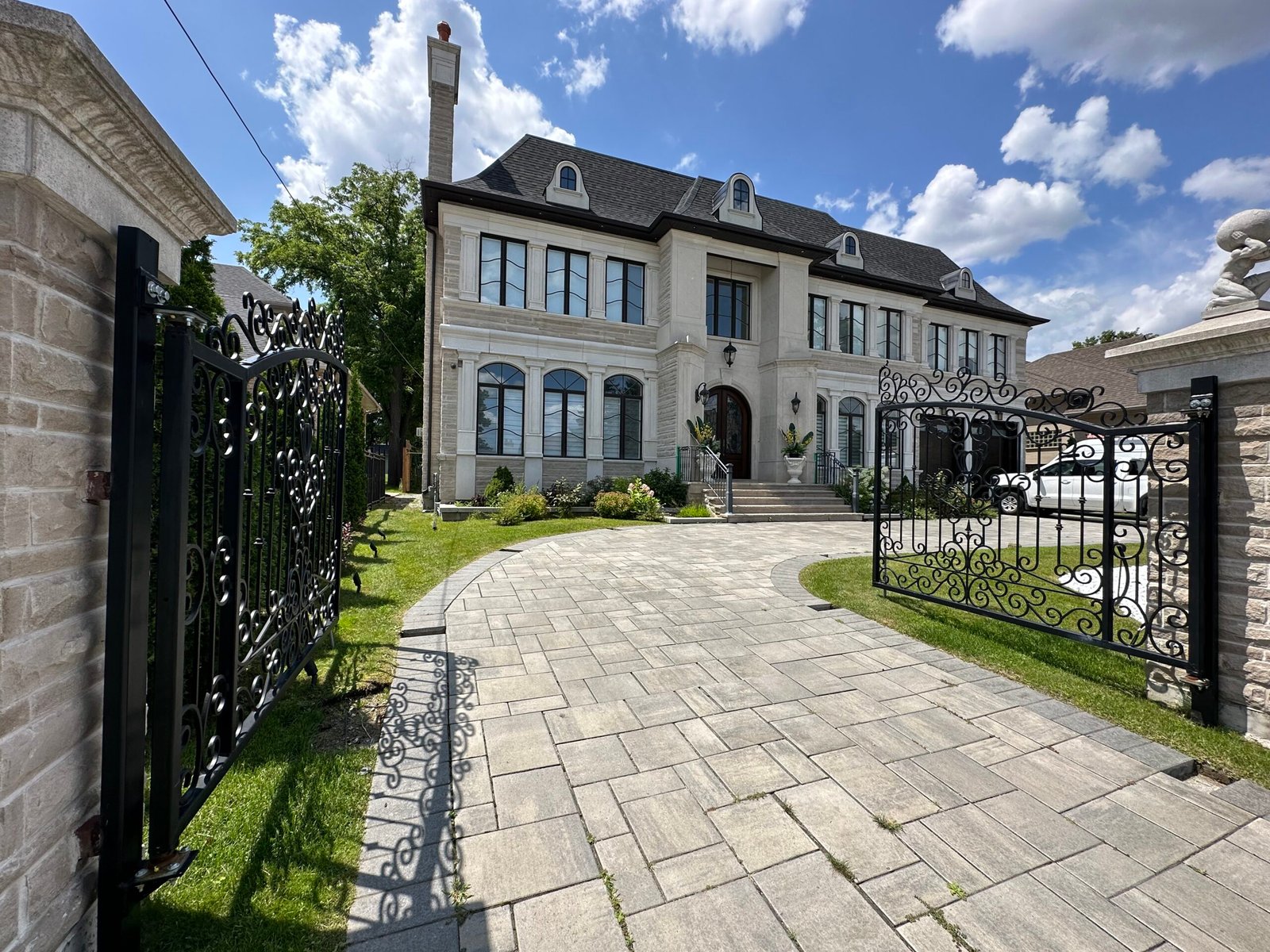
Beyond protection, wall coping also plays an important aesthetic role. It defines the top of the wall, adds structure, and enhances visual appeal. Available in various profiles—flat, sloped, beveled, or decorative—precast coping can match both traditional and modern designs. It creates a seamless transition between the wall and surrounding structures, whether in garden landscapes, entryways, terraces, roof parapets, or boundary walls.
One major advantage of precast concrete coping is its low maintenance. Unlike natural stone or metal, it does not warp, rust, or require frequent sealing. It maintains its appearance over time, even in harsh weather conditions, making it a cost-effective and reliable solution for long-term architectural protection.
Wall coping is often underestimated, yet it is one of the most important elements in preserving wall integrity. It protects, finishes, and elevates the overall design—making it both a functional necessity and an architectural enhancement.